
Comparative analysis of tibial plateau fracture osteosynthesis: A finite element study
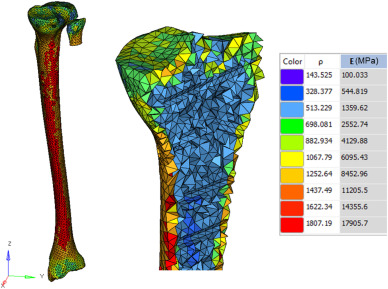
This study presents a comparative structural finite element analysis between two different fixation methods for high-energy tibial plateau fractures: limited contact dynamic compression plate (LC-DCP) and locking compression plate (LCP).
Physical and biological aspects of fracture healing with special reference to internal fixation
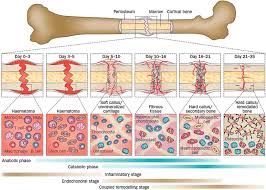
Fracture healing is a repair process of a mechanical discontinuity loss of force transmission, and pathological mobility of bone.
Failure of fixation of tibial plateau fractures
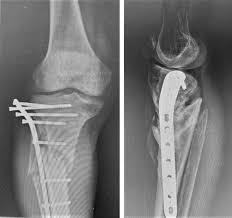
Forty-two consecutive patients treated surgically at our trauma unit for tibial plateau fractures were studied retrospectively, specifically for loss of fixation. Factors that might affect the fracture fixation were reviewed, including age, mechanism of injury, type of fracture, bone quality, severity of fragmentation, severity of displacement, time to surgery, operating time, fixation method, use of bone graft, postoperative bracing, and mobilization.
Fracture pattern and fixation type related to loss of reduction in bicondylar tibial plateau fractures
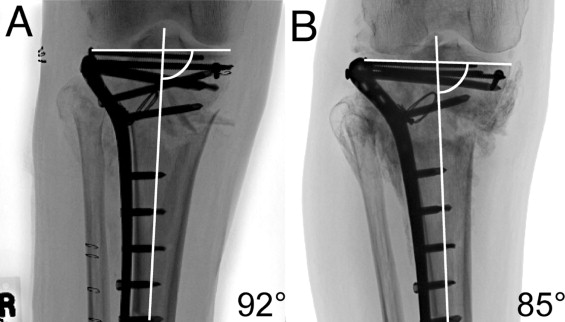
Bicondylar tibial plateau fractures can be treated with locked plating applied from the lateral side with or without additional application of a medial plate (dual plating). Recent studies demonstrate that these injuries can be sub-grouped based upon their morphology by computed tomography (CT).
Predictors of reduction loss in tibial plateau fracture surgery: Focusing on posterior coronal fractures
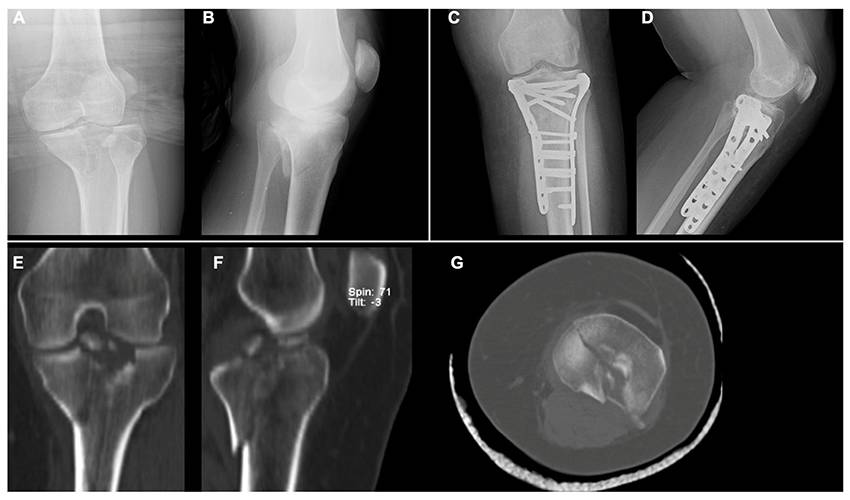
Some studies have reported that fracture pattern was associated with reduction loss after surgery. The purpose of this study was to evaluate various factors that can influence reduction loss, including fracture patterns in unicondylar and bicondylar tibial plateau fractures.
Radiographic Predictors of Conversion to Total Knee Arthroplasty After Tibial Plateau Fracture Surgery: Results in a Large Multicenter Cohort
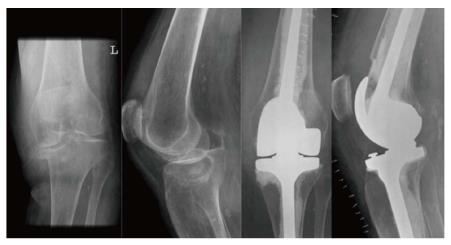
Radiographic measurements of initial displacement of tibial plateau fractures and of postoperative reduction are used to determine treatment strategy and prognosis. We assessed the association between radiographic measurements and the risk of conversion to total knee arthroplasty (TKA) at the time of follow-up.